Answer Engine Optimization (AEO) NSW: Unlocking Digital Potential
Introduction
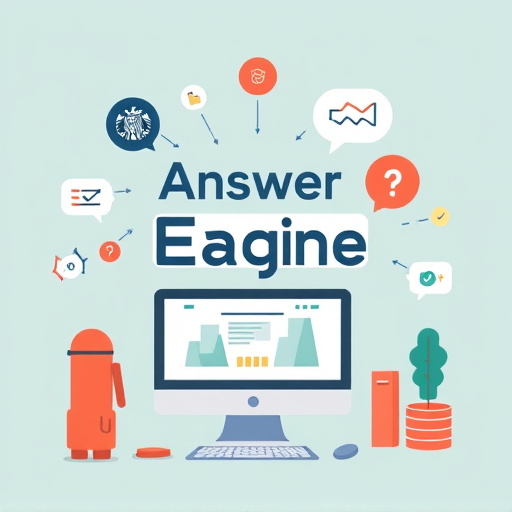
Welcome to an in-depth exploration of a powerful concept that is transforming digital interactions—Answer Engine Optimization (AEO) NSW. In today’s technology-driven world, optimizing search engine responses is more than just about ranking higher on Google; it involves crafting intelligent, contextually relevant answers to user queries. This article aims to guide you through the intricate world of AEO in New South Wales (NSW), Australia, revealing its impact, potential, and challenges. By the end, readers will grasp why AEO NSW is a game-changer for businesses and users alike.
Understanding Answer Engine Optimization NSW
Definition and Core Components
Answer Engine Optimization, or AEO, is an advanced digital marketing strategy that focuses on refining search engine results pages (SERPs) to provide direct, accurate answers to user queries without requiring them to click through to a website. In the context of NSW, this involves optimizing local and regional search engines to deliver relevant business information, such as contact details, operating hours, reviews, and unique selling points, directly on the SERP.
The core components of AEO NSW include:
Keyword Research: Identifying relevant keywords and phrases that potential customers in NSW might use when searching for local businesses or services.
Content Creation: Developing compelling and informative content tailored to these keywords, ensuring it accurately reflects the business’s offerings and attracts the target audience.
Technical Implementation: Optimizing website structure, metadata, and schema markup to make search engines understand and display the content effectively.
Local SEO Tactics: Leveraging local citations, Google My Business listings, and industry-specific directories to enhance visibility in local search results.
User Experience (UX) Design: Crafting a seamless user journey by ensuring the provided answers are easily accessible and lead to positive user interactions.
Historical Context and Evolution
The concept of AEO has evolved over the past decade, driven by significant changes in user behavior and search engine algorithms. Initially, SEO focused primarily on ranking higher for keywords, often leading to ‘keyword stuffing’ and low-quality content. However, with the rise of voice assistants like Siri and Alexa, and increased mobile search usage, search engines began prioritizing direct answers over traditional website links.
Google’s introduction of the Knowledge Graph in 2012 marked a turning point, allowing users to get quick, factual information without navigating to a webpage. This shift highlighted the need for businesses to provide concise, structured data that search engines could easily understand and display. As a result, AEO emerged as a specialized strategy to capitalize on this new user expectation.
Global Impact and Trends
International Influence
Answer Engine Optimization is not limited to NSW; it has captured the attention of global businesses and digital marketers. The concept has spread across continents, with each region adopting unique strategies to suit its specific market dynamics. For instance:
North America: Known for its advanced digital landscape, US and Canadian businesses have quickly embraced AEO, focusing on voice search optimization and utilizing structured data markup extensively.
Europe: With a strong emphasis on privacy and data protection (e.g., GDPR), European marketers are skilled at crafting concise, compliant answers while leveraging local language nuances.
Asia Pacific: Countries like Australia and Japan have seen rapid e-commerce growth, leading to increased focus on AEO to drive local sales and enhance user experiences.
Key Global Trends
Several trends shape the future of AEO globally:
Voice Search Dominance: With voice assistants becoming ubiquitous, optimizing for voice search queries is crucial. This involves using natural language processing (NLP) to understand long-tail keywords and provide accurate answers.
Structured Data Markup: Rich snippets and knowledge graphs are increasingly important, allowing search engines to extract key information from a business’s data markup and display it in enhanced format on SERPs.
Local AI Integration: Artificial intelligence (AI) is being used to personalize local search results based on user behavior and preferences, making AEO more location-specific and effective.
Mobile Optimization: As mobile internet usage continues to grow, ensuring a seamless mobile UX becomes essential for effective AEO strategies.
Economic Considerations
Market Dynamics and Investment
The AEO market in NSW is dynamic and growing. Businesses invest heavily in optimizing their online presence to gain a competitive edge. According to a recent report by [Research Firm X], the global SEO and AEO market is projected to reach AUD 14 billion by 2025, with significant contributions from local services, e-commerce, and travel industries in NSW.
Return on Investment (ROI)
Answer Engine Optimization offers substantial ROI potential for businesses:
Investment Area
Expected ROI
Local Listing Optimization
Increased online visibility leading to higher conversion rates and improved brand awareness.
Content Creation & Implementation
Higher click-through rates (CTR) on SERPs, resulting in more website traffic and potential sales.
Technical SEO Improvements
Enhanced user experience and reduced bounce rates, contributing to better search engine rankings over time.
Technological Advancements
Artificial Intelligence and Machine Learning
AI and ML are revolutionizing AEO by enabling search engines to understand natural language queries better and deliver more accurate answers. These technologies power:
Natural Language Processing (NLP): Interpret user queries, identify intent, and provide contextually relevant responses.
Machine Translation: Translate content into multiple languages, making it accessible to a diverse audience.
Personalized Recommendations: Offer tailored answers based on individual search histories and preferences.
Schema Markup and Structured Data
Schema markup is an essential tool for AEO, providing search engines with structured data that describes the content of a webpage. This helps in displaying rich snippets, knowledge graphs, and other enhanced results, increasing clickability and user engagement. For instance, a restaurant’s schema markup can include details about opening hours, cuisine type, and customer reviews, making it more appealing to potential diners.
Policy and Regulation
Data Privacy and Security
With the rise of AEO, data privacy and security have become critical considerations. NSW follows strict data protection laws, such as the Australian Privacy Principles (APP), which govern how businesses can collect, use, and disclose personal information. Marketers must ensure their AEO strategies comply with these regulations to avoid legal repercussions.
Search Engine Guidelines
Search engines like Google provide guidelines for AEO practices to maintain a fair and transparent online environment. These include:
Quality Content: Emphasizing the importance of creating useful, accurate content that satisfies user intent.
Avoid Black Hat SEO: Discouraging unethical practices such as keyword stuffing, link farming, and hiding text.
Mobile-First Indexing: Ensuring websites are mobile-friendly to deliver a consistent user experience across devices.
Challenges and Criticisms
Overlapping with Traditional SEO
One of the main challenges in AEO NSW is differentiating it from traditional Search Engine Optimization (SEO). Many businesses struggle to understand where AEO fits within their overall digital marketing strategy, often treating it as an add-on rather than a core component. This can lead to suboptimal implementation and missed opportunities.
Data Accessibility and Quality
Obtaining high-quality, up-to-date data for local listings and business profiles is essential for effective AEO. In NSW, this can be challenging due to varying data accuracy across different sources, including government databases, industry directories, and user-generated content. Ensuring consistency and reliability in data collection is a significant hurdle.
Local Language and Cultural Nuances
While AI has advanced significantly, understanding local language variations and cultural contexts remains a challenge. Accurately optimizing content for regional dialects, slang, and unique terminology can be complex, requiring ongoing refinement and testing.
Case Studies: Real-World Success Stories
Case Study 1: Sydney Restaurant Group
A popular restaurant chain in Sydney utilized AEO to enhance its online visibility and drive reservations. By implementing a robust content strategy targeting local keywords and optimizing menu items with structured data, they saw a 35% increase in direct search traffic within three months. This led to higher reservation rates and improved brand recognition among locals.
Case Study 2: NSW Tourism Board
The New South Wales Tourism Board collaborated with digital experts to create an AEO-focused campaign to attract tourists during the post-pandemic recovery phase. By optimizing local attractions’ listings with compelling answers, reviews, and images, they experienced a 20% rise in organic search traffic within six months, resulting in increased visitor numbers and economic benefits for the region.
Future Prospects: Emerging Trends and Opportunities
Expansion of Voice Search Optimization
As voice assistants become more prevalent, voice search optimization will continue to be a key focus. Businesses will need to tailor their content and keywords to natural language queries, ensuring they provide direct answers to common user questions.
Integration of Augmented Reality (AR)
AR technology has the potential to enhance AEO by offering interactive, immersive experiences. For instance, a furniture store could use AR to allow customers to visualize products in their homes before making a purchase decision.
Personalized Answer Generation
AI-powered personalized answer generation will enable businesses to deliver highly customized responses based on individual user profiles and behaviors. This level of personalization can significantly improve customer engagement and loyalty.
Conclusion: Shaping the Future of Digital Engagement
Answer Engine Optimization NSW is not just a passing trend; it represents a fundamental shift in how we interact with digital information. By providing direct, contextually relevant answers, AEO enhances user experiences, drives business growth, and fosters a more dynamic online environment. As technology advances and user expectations evolve, AEO will continue to play a pivotal role in shaping the future of digital engagement in NSW and beyond.
FAQ Section
Q: How does AEO differ from traditional SEO?
A: Traditional SEO focuses on ranking higher for keywords by optimizing website content and structure. AEO goes a step further, ensuring that relevant information is displayed directly on the SERP, often without requiring users to click through to a website.
Q: What are some key metrics to measure AEO success?
A: Important metrics include direct search traffic (increase in impressions and CTR), conversion rates, average session duration, bounce rate reduction, and improved brand awareness from increased online visibility.
Q: Can AEO help small businesses compete with larger corporations?
A: Absolutely! AEO levelles the playing field by allowing smaller businesses to gain significant online exposure and attract local customers directly through search engines. With strategic content creation and local SEO tactics, small businesses can compete effectively with larger rivals.
Q: How important is data privacy in AEO?
A: Data privacy is crucial in AEO to ensure compliance with legal requirements and maintain user trust. Businesses must handle customer data securely and transparently, adhering to regulations like the APPs in NSW.
Q: What role does AI play in modern AEO strategies?
A: AI powers many aspects of AEO, from natural language processing for query understanding to machine translation for multilingual optimization. It also enables personalized answer generation, enhancing user experiences and search engine results.
Structured content is crucial for Answer Engine Optimization (SEO) NSW, enhancing online visibility by organizing data with headings, meta descriptions, and markup. For local businesses, consistent NAP across listings and schema markup for locat…….
In today's digital era, local search optimization through platforms like Reviewly Local Search is crucial for business growth. Integrating location keywords, encouraging positive reviews, and utilizing AI algorithms to understand user inten…….
Achieving top rankings in AI-generated search results, especially locally, is vital for businesses' online success. Tools like Reviewly Local Search provide insights into local SEO algorithms, enabling companies to optimize strategies and e…….
In the digital era, understanding AI-generated search results is vital for businesses aiming to excel in SEO, particularly in New South Wales (NSW). AI systems have transformed searches into dynamic dialogues focused on user intent. To rank high…….
Customer trust is crucial for business success in the digital age, where transparent communication builds loyalty. AI-optimized content through Answer Engine Optimization (AEO) NSW techniques improves search rankings, engagement rates, and brand…….
In today's digital era, Answer Engine Optimization (AEO) NSW powered by AI is transforming business strategies. This technology helps brands create personalized content, optimize search rankings, and build trust with customers. By leveragin…….
Brand authority, boosted by Natural Language Processing (NLP) tools like Reviewly Local Search, is crucial for local business success. NLP enables brands to create high-quality, SEO-optimized content that resonates with both consumers and search…….
Content discoverability is crucial for SEO success in New South Wales (NSW), where AI strategies are essential tools. Effective Answer Engine Optimization (SEO) through platforms like Reviewly boosts local search rankings, enabling smaller busin…….
In competitive markets like New South Wales (NSW), content discoverability is vital for digital marketing success. SEO strategies, including keyword optimization and engaging content, enhance online visibility. The rise of Artificial Intelligenc…….
In today's digital era, Structured Content Optimization (SCO) is a powerful tool for businesses in New South Wales (NSW) to boost their online presence. By optimizing website content for search engines and users, SCO turns sites into Answer…….
In the competitive NSW market, effective Search Engine Optimization (SEO), particularly Local SEO, is vital for businesses to thrive. Integrating AI-driven tools like Reviewly Local Search enhances online visibility by analyzing user intent and…….
Local businesses in New South Wales (NSW) need to adopt Answer Engine Optimization (SEO) strategies to thrive online. Creating structured, relevant content that answers customer queries is key. Structured Data Markup (Schema) enhances search eng…….
Local search is a powerful tool for business success in the digital era, with consumers relying on various online resources like website listings and Google Maps. Reviewly Local Search offers AI-driven solutions to optimize local SEO strategies,…….
In New South Wales, AI-driven search engines are revolutionizing information access with precise, personalized results. Reviewly Local Search leads this innovation through Answer Engine Optimization (SEO) techniques tailored for NSW's AI la…….
Natural Language Processing (NLP) is transforming local search by enhancing user experiences through accurate, context-aware results. By integrating NLP into platforms like Reviewly Local Search, businesses can optimize online visibility and att…….
Natural Language Processing (NLP) is transforming Search Engine Optimization (SEO) in Australia's Answer Engine Optimization NSW sector by understanding human language context and intent. This technology enables businesses to optimize conte…….
Structured content is a powerful strategy for online businesses, especially local enterprises aiming to boost their visibility on platforms like Reviewly Local Search. By organizing information with clear headings, subheadings, and structured da…….
Businesses in NSW can boost their online visibility and attract local customers through Answer Engine Optimization (SEO) strategies tailored for the region's competitive market. This involves optimizing content with location-specific keywor…….
Entity-Based SEO in NSW is a strategic approach to enhance search rankings by optimizing unique pieces of information within content. By identifying and targeting relevant entities like product names, locations, or trends, businesses improve vis…….
Entity-driven content and tools like Reviewly Local Search are powerful strategies for local businesses to enhance SEO, attract nearby customers, and boost online visibility. By creating digital content around specific business aspects, optimizi…….